 |
| Source: https://www.youtube.com/watch?v=0eAI7kmiryQ |
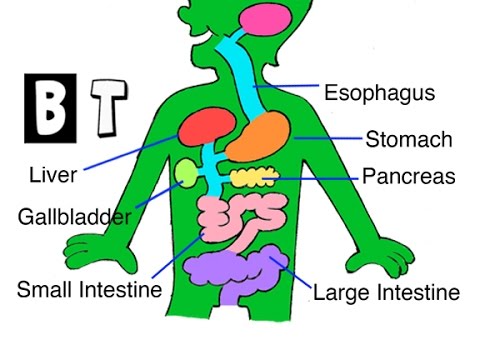
Below is a very fun and interesting drama strategy we did in class focused on the Grade 5- Understanding Life Systems: Human Organ Systems science strand!
In this activity, we were assigned roles as different parts of the digestive system (e.g., stomach, large intestine, mouth, etc.). My partner and I were assigned the pancreas (a teacher tip would be to have a PowerPoint on the board that briefly lists the functions of each organ).
- create a movement that represents the pancreas &
The Activity - Dramatization of the Human Digestive System
In this activity, we were assigned roles as different parts of the digestive system (e.g., stomach, large intestine, mouth, etc.). My partner and I were assigned the pancreas (a teacher tip would be to have a PowerPoint on the board that briefly lists the functions of each organ).
The task was to use drama to:
- create a movement that represents the pancreas &
- add on a sound the movement that represents the pancreas.
After we used the creative process (as seen in the first post), we created our brief movement with accompanying sound. The best part was when the entire class got into a line starting at the mouth and ending at the anus. We all performed our pieces and we all got to see a functioning digestive system! Younger students would be really engaged in this presentation because they can explain the reasons why they chose their movements and sounds and they will better remember the system when they look back and visualize what each organ (group) did.
The video below is an example of what my fellow teacher candidates created in their drama class!

No comments:
Post a Comment